Understanding Luck in Casino Games
Luck is often perceived as a fundamental element in casino gaming, particularly in games like slots, roulette, and craps. These games are designed to be random, relying heavily on chance rather than the player’s skill level. For instance, when spinning a roulette wheel, the outcome is entirely dependent on where the ball lands, which cannot be influenced by the player. This intrinsic randomness can make every game session exhilarating but also unpredictable. Consequently, players exploring the new betting sites must recognize that while they can manage their bankroll and make strategic decisions, the outcomes are ultimately determined by luck.
The element of luck brings about the thrill and suspense that many players enjoy in the casino environment. Events can unfold rapidly, creating an atmosphere of excitement. For example, a player spinning the reels of a slot machine may hit the jackpot based on sheer fortune. These serendipitous moments are often what keep players coming back, as the prospect of a big win can be incredibly enticing. However, it is essential to remain mindful that luck is volatile; what goes up can come down just as quickly, leading to unpredictable financial results.
While luck plays a significant role, it is essential to note that it doesn’t equal skilllessness. Many players adopt strategies to enhance their experience and potentially influence the odds in their favor. Understanding game mechanics can help players make more informed choices, even if the fundamental outcomes remain driven by luck. For example, knowing the payout percentages or leveraging odds in games like blackjack can provide a semblance of control in an otherwise chance-dominated environment.
Skill-Based Casino Games
In contrast to games heavily influenced by luck, skill-based casino games such as poker, blackjack, and baccarat require players to employ strategic thinking and enhance their decision-making abilities. The distinctions between these games lie in the fact that players can impact the outcome through their actions, such as betting strategies and gameplay tactics. For example, in poker, players must read their opponents, assess probabilities, and determine the best course of action, which can significantly affect their success at the table.
Skill-based gaming not only allows players to exercise their expertise but also creates a culture of competition and camaraderie. Players often engage in discussions about strategies, share experiences, and even participate in tournaments where skill is tested against that of others. This dynamic elevates the gaming experience, as individuals feel a sense of agency in their outcomes, unlike in purely luck-based games. For instance, a seasoned poker player can leverage psychological insights and probability calculations to gain an edge over lesser-skilled opponents, showcasing how skill can lead to more consistent wins.
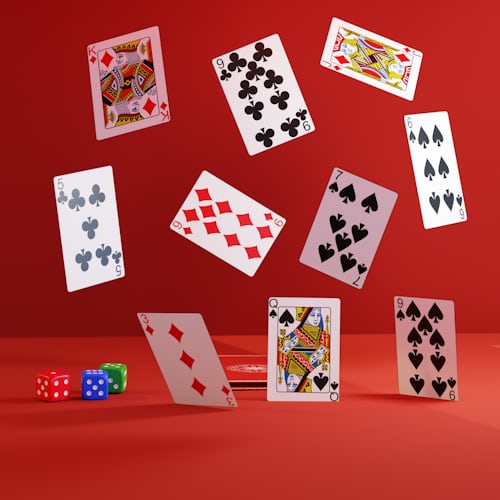
However, it is crucial for players to recognize that, despite being skill-based, these games still incorporate elements of chance. In poker, for instance, the cards dealt are random and can lead to unexpected outcomes regardless of a player’s skill level. This blend of luck and skill results in an intricate gaming experience where top players still face challenges from unforeseen events, reminding everyone involved that no amount of preparation can eliminate the unpredictability of chance entirely.
The Psychological Aspect of Luck and Skill
The interplay between luck and skill invokes a significant psychological element in casino gaming. Players often find themselves grappling with the concept of control versus randomness. Skill-based players may develop a false sense of confidence, believing they can consistently outperform others due to their expertise. This mindset can lead to overconfidence, where players might disregard their limits or chase losses, blindly believing in their ability to turn luck in their favor.
Conversely, those who mainly rely on luck might experience frustration if their gaming sessions do not yield favorable results. This frustration can arise from the lack of control they feel, leading to potential emotional responses that can influence their overall gambling behavior. Recognizing that both aspects carry weight is essential for maintaining a balanced perspective on gaming. A balanced approach, where players respect the role of skill while understanding the influence of luck, can lead to a more enjoyable and responsible gaming experience.
Moreover, understanding the psychological aspects related to luck and skill can affect how players approach their gameplay. For instance, those inclined to possess a growth mindset may focus on improving their skills in poker or blackjack, viewing each game as an opportunity for learning rather than simply a means to win money. This shift in perspective fosters resilience, encouraging players to analyze their performance critically and evolve as gamers, regardless of the outcomes they face due to chance.
Responsible Gaming and the Balance of Luck and Skill
In the realm of casino gaming, balancing the influence of luck and skill is imperative for responsible gaming practices. Players must cultivate an understanding of their personal limits, ensuring that their gaming activities remain enjoyable rather than damaging. Both luck and skill can lead to wins and losses, but adhering to a sound strategy that incorporates elements of moderation can enhance the overall experience. Setting limits on time and spending can help to mitigate the risks associated with chasing losses or gambling beyond one’s means.
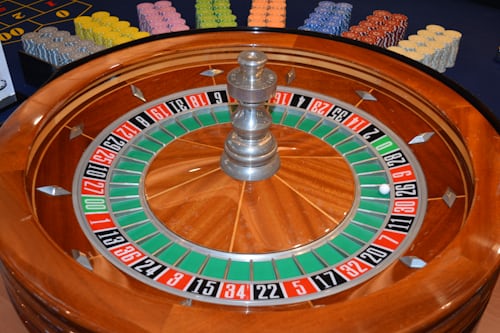
Responsibility also entails recognizing when to walk away. In games driven heavily by luck, players may find themselves on a rollercoaster of emotions, which can lead to impulsive decisions. By cultivating self-awareness and adopting a mindful approach to gaming, players can develop a healthier relationship with gambling. This perspective acknowledges that while both luck and skill are integral to the experience, neither should govern the player’s psychological well-being.
Additionally, casinos and online gaming platforms have taken initiatives to promote responsible gaming by providing tools and information to players. Features such as setting deposit limits, self-exclusion options, and access to helplines are valuable resources that empower players to take control of their gambling journey. By fostering an environment where players are encouraged to engage responsibly, casinos can help reduce the adverse effects of gaming, reinforcing the importance of moderation.
Conclusion: Finding Your Balance
The ongoing debate surrounding luck versus skill in casino gaming emphasizes the need for players to find their balance. Understanding the role of luck can enhance the thrill of gaming, while developing skills can lead to more strategic and potentially rewarding gameplay. It is crucial to recognize that both elements coexist within the gaming landscape, each offering unique experiences that contribute to the overall appeal of casinos.
Ultimately, the journey through casino gaming can be enriched by embracing both luck and skill. Players who appreciate the unpredictability of luck while honing their skills will likely find more satisfaction in their gaming endeavors. Engaging with games that align with personal preferences—be it luck-based or skill-oriented—can create a fulfilling experience tailored to individual tastes.
In conclusion, whether you prefer the thrill of chance or the challenge of strategic play, approaching casino gaming with a balanced mindset can significantly enhance your enjoyment. By embracing both elements, players can ensure a more wholesome and enjoyable gaming atmosphere, whether at a brick-and-mortar casino or an online platform that recognizes the nuances of luck and skill.
 Follow