Understanding the psychological triggers behind gambling behaviors in casinos
The Allure of Casinos
Casinos have a unique ability to draw individuals in, creating an environment filled with excitement and anticipation. The vibrant lights, the sound of coins clinking, and the thrill of winning create a sensory experience that is hard to resist. These elements work in tandem to stimulate emotional responses, making players feel a rush of adrenaline as they engage in games of chance. This carefully designed ambiance plays a critical role in attracting customers and encouraging them to stay longer. For an exciting online gaming experience, you can visit https://mafiacasinos-cz.com/, which offers a range of options for players.
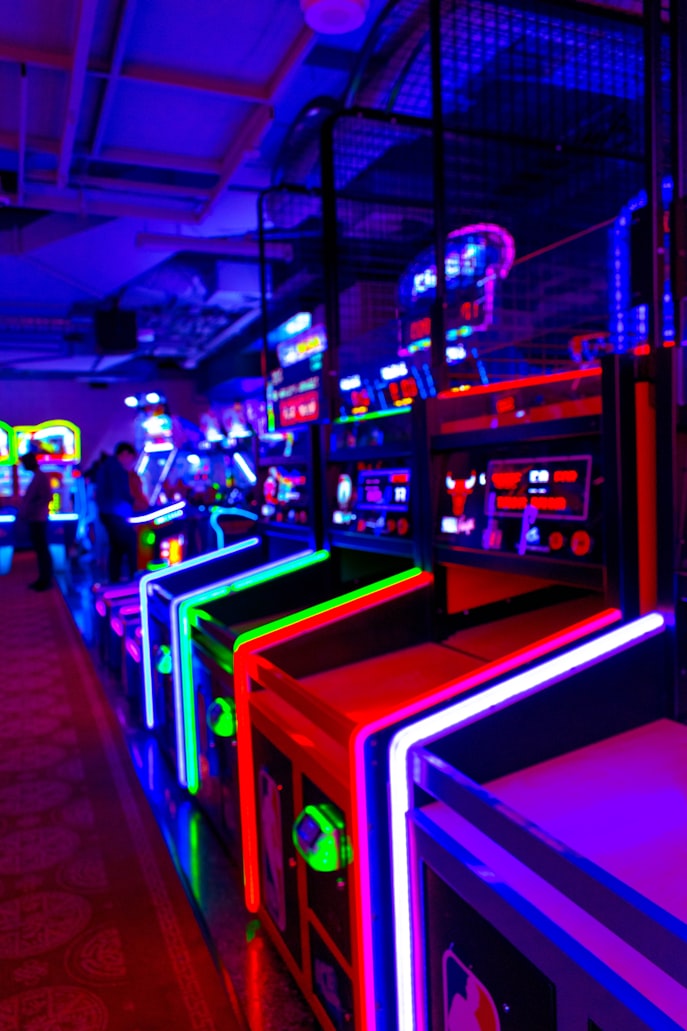
Moreover, the social aspect of gambling cannot be underestimated. Many individuals enjoy the communal experience of gambling with friends or even strangers, as it fosters a sense of belonging and shared excitement. The chance to celebrate wins together or commiserate over losses enhances the overall appeal of casinos. This social interaction becomes an integral part of the gambling experience, often leading players to gamble more than they initially intended.
The combination of visual and auditory stimuli, along with social engagement, creates a powerful draw. These elements activate various psychological triggers, including the anticipation of rewards and the thrill of risk-taking. As players become increasingly immersed in this atmosphere, they may find themselves making decisions influenced more by emotion than by rational thought, leading to impulsive gambling behaviors.
Psychological Triggers: The Role of Reward Systems
At the core of gambling behaviors lie psychological triggers that tap into the brain’s reward systems. Research shows that the potential for winning activates the same neural pathways associated with other pleasurable activities, such as eating or socializing. When a player wins, the brain releases dopamine, creating feelings of pleasure and reinforcing the desire to gamble again. This reward response can lead to a cycle where individuals continue to gamble in pursuit of that high, often overlooking the risks involved.
This phenomenon can be particularly pronounced in environments designed to maximize rewards. Slot machines, for example, are programmed to provide frequent small wins that keep players engaged. Even when losses occur, the intermittent rewards create a false sense of winning, prompting players to stay longer and spend more money. This design exploits cognitive biases, such as the illusion of control, where players believe they can influence outcomes, further fueling gambling behaviors.
The unpredictable nature of gambling also contributes to its allure. The concept of variable reinforcement—where rewards are given at irregular intervals—has been shown to be more effective in reinforcing behaviors than consistent rewards. This unpredictability keeps players engaged, hoping for that next big win. Over time, the brain starts associating gambling with excitement and reward, making it difficult for individuals to break free from the cycle.
Emotional Factors Influencing Gambling
Emotions play a significant role in gambling behaviors, often serving as a primary motivator for individuals. Many people turn to gambling as a means of escape from stress, anxiety, or negative emotions. The thrill of the game can provide a temporary distraction, allowing individuals to forget their problems and immerse themselves in a world of chance. This emotional coping mechanism may lead to an increased frequency of gambling, particularly during challenging times.
Additionally, the emotional highs and lows associated with gambling can create a rollercoaster effect. The excitement of winning is often followed by the despair of losing, leading to a cycle of emotional highs and lows. This cycle can reinforce the desire to gamble, as players chase the euphoric feelings experienced during wins. Over time, individuals may find themselves trapped in this emotional rollercoaster, leading to compulsive gambling behaviors.
Furthermore, societal attitudes toward gambling can also impact individual behaviors. In cultures where gambling is normalized and celebrated, people may be more inclined to engage in these activities. The perception of gambling as a leisure activity can diminish the awareness of its potential risks. This societal endorsement creates an environment where individuals feel justified in their behaviors, further complicating their emotional relationship with gambling.
Impact of Environment and Design on Behavior
The physical environment of a casino is meticulously designed to encourage gambling behaviors. Elements such as layout, lighting, and even scent are strategically utilized to create a sense of comfort and excitement. Casinos often lack clocks and windows, creating a sense of timelessness that encourages players to lose track of time. This design feature helps sustain prolonged gambling sessions, as players become unaware of how much time has passed.
Moreover, the strategic placement of games is essential in influencing player behavior. High-stakes games may be positioned in prominent areas, attracting those seeking big wins. In contrast, lower-stakes games are often situated in quieter corners, catering to those looking for a more relaxed experience. This strategic placement influences the flow of players and encourages them to engage with various games, often leading to increased spending.
The use of promotional strategies, such as loyalty programs and free drinks, further reinforces gambling behaviors. These incentives create a sense of value and encourage players to remain within the casino. By offering rewards for continued play, casinos can foster a sense of loyalty and engagement, making it more likely that individuals will return. This combination of environment and promotional strategies creates a potent mix that can significantly influence gambling behaviors.

Exploring Responsible Gaming Platforms
Understanding the psychological triggers behind gambling behaviors is essential for fostering responsible gaming practices. With the rise of online casinos, platforms like Mafia Casino are dedicated to creating engaging yet responsible gaming experiences. They emphasize the importance of responsible gaming by implementing measures to protect players, such as age verification, self-exclusion options, and gameplay monitoring.
Mafia Casino not only offers a wide selection of games and promotions but also prioritizes player welfare. By encouraging players to set limits on their gambling activities, the platform promotes a safer environment for all users. This commitment to responsible gaming reflects an understanding of the psychological triggers involved, aiming to minimize the risks associated with gambling.
By focusing on responsible gaming and providing players with the tools they need to gamble safely, platforms like Mafia Casino contribute to a healthier gambling culture. This approach not only enhances the overall experience but also ensures that players can enjoy their time without falling victim to the psychological traps that can lead to compulsive behaviors. By fostering awareness and offering support, these platforms play a pivotal role in balancing entertainment with responsibility.
 Follow