The Nature of Luck
Luck is frequently depicted as an enigmatic force that can dramatically alter a person’s circumstances, especially in a casino setting where players are in pursuit of that elusive winning streak. Many gamblers cling to the belief that luck can be swayed by various influences, such as rituals, charms, or even the phases of the moon. For example, it’s common to find players carrying lucky tokens or donning specific outfits they believe enhance their chances of winning, particularly when playing at a payid casino where the atmosphere is charged with excitement. The idea is that these personal touches can somehow attract favorable outcomes, even in games where skill plays a minimal role.
This belief in luck is deeply rooted in human psychology, granting individuals a semblance of control over the unpredictable nature of chance. This psychological aspect is significant in gambling; when players feel fortunate, they are more inclined to take risks, which sometimes results in unexpected victories. Research indicates that feelings of luck can enhance a gambler’s confidence, leading them to make bolder bets or try new games. Thus, the perception of luck influences not only the decisions made at the table but also the overall gambling experience.
Nonetheless, it’s essential to differentiate between luck and skill. While luck can provide a temporary edge, a solid understanding of game mechanics and strategies often leads to more consistent results over time. Taking poker as an example, a knowledgeable player who understands the odds and employs strategic betting can frequently outperform those who rely solely on luck. As such, while luck can open doors, it is ultimately a combination of skill and informed decision-making that shapes a player’s success in the long run.
The Role of Strategies in Casino Games
Although luck undeniably plays a crucial role in casino games, adopting effective strategies can significantly improve a player’s overall experience and potentially enhance their outcomes. Players who dedicate time to learning the rules, odds, and tactics of games like blackjack or poker often find themselves equipped with tools that can lead to more favorable results. For example, in blackjack, understanding when to hit or stand based on the dealer’s visible card can drastically alter the game’s results, emphasizing that skill is a vital aspect of the casino experience.
Additionally, it’s important to recognize that different games come with varying odds, many of which are designed to favor the house. This means that while luck might yield short-term wins, comprehending the mechanics and probabilities behind each game is essential for achieving long-term success. For instance, slot machines operate purely on chance, whereas table games often allow for strategic engagement. By acknowledging the nature of each game, players can tailor their approaches, blending luck with calculated decision-making.

Bankroll management also plays an integral role in a player’s strategy at the casino. Setting limits on spending and adhering to a budget allows individuals to enjoy their gaming experience without the anxiety of potential financial losses. Those who incorporate strategies into their gambling practices—such as knowing when to walk away or how to manage their stakes—can create a more enjoyable atmosphere, irrespective of whether luck is on their side during that session. This disciplined approach can also help mitigate the emotional highs and lows that often accompany gambling, making the experience more sustainable over time.
Casino Environment and Psychological Factors
The casino environment is meticulously crafted to elicit emotions that can significantly influence a player’s perception of luck and fate. The dazzling lights, energetic music, and the exhilarating sounds of coins tumbling from machines create an atmosphere ripe for excitement, often prompting players to take bigger risks. This sensory stimulation can heighten the feeling of being on the brink of a lucky streak, which keeps players engaged and willing to continue placing bets in hopes of striking it rich. In this environment, players often feel a sense of camaraderie with others who are equally invested in the outcomes of their games.
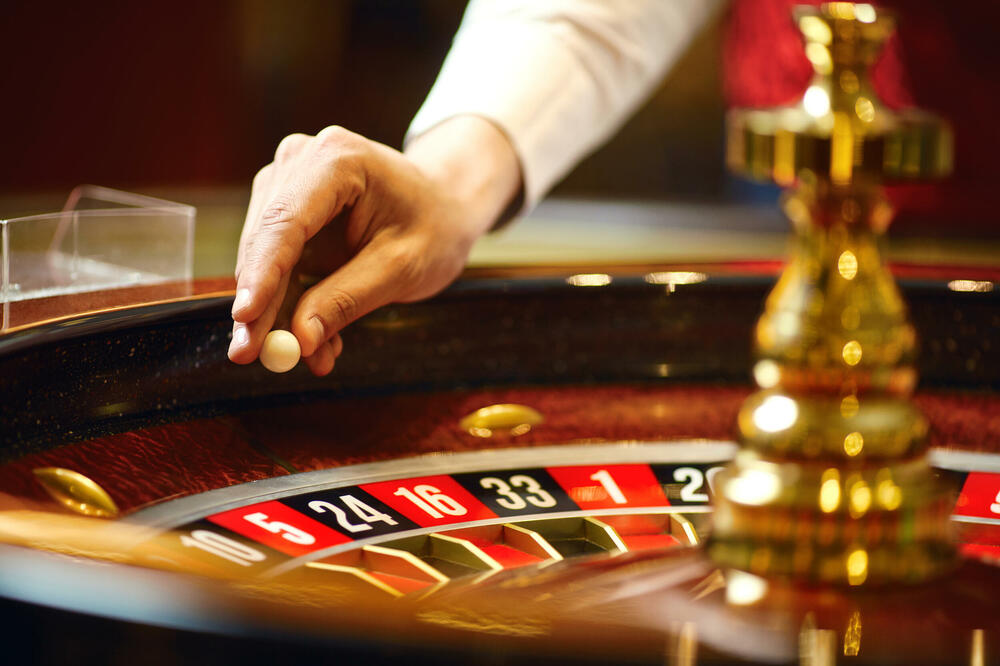
Moreover, psychological factors such as the “gambler’s fallacy” play a pivotal role in shaping how players perceive luck within a casino. This fallacy refers to the belief that previous outcomes can affect future results in games of chance. For example, if a roulette wheel lands on red several times consecutively, a player might feel compelled to bet on black, reasoning that it is “due” to appear. Such cognitive biases can lead to irrational betting patterns, showcasing how emotions can significantly impact decision-making in the heat of the moment. This can lead to a cycle of chasing losses, where players believe they can turn their luck around with just one more bet.
The social dynamics present in a casino can also amplify the sense of luck. When players congregate around gaming tables, sharing stories of wins and losses, they create a communal atmosphere that fosters hope and excitement. This shared experience can lead individuals to feel that luck is contagious, further enhancing their perception of their own luck. The psychological implications of these social interactions are substantial, as they can shift a player’s outlook on their fortunes and elevate the overall thrill of the gambling experience. Ultimately, the casino environment is designed not only to attract players but to create an emotional landscape where luck feels more tangible and accessible.
The Myths Surrounding Luck and Gambling
Myths about luck and gambling are pervasive and can significantly shape how players approach their time at the casino. One prevalent myth is the idea that some individuals can “catch” luck during a game, leading to superstitious habits. For instance, players might believe that wearing a specific outfit or engaging in particular rituals can summon good fortune. While these practices may provide psychological comfort or boost confidence, they do not genuinely alter the odds stacked against them in the games they play. Understanding the nature of these myths can empower players to make more informed decisions.
Furthermore, many players harbor the misconception that there are strategies to “beat the odds” and secure guaranteed wins. In reality, most casino games are designed with a built-in house edge that ensures the establishment remains profitable over time. Recognizing this concept is crucial for players, as it underscores that while luck can create thrilling moments, consistent success cannot be achieved through superstition or misleading strategies. Awareness of these myths is vital for cultivating a responsible and informed approach to gambling, which can enhance the overall enjoyment of the experience.
Adopting a realistic mindset regarding luck can enhance the enjoyment of the gaming experience. By acknowledging that luck is just one factor among many that determine outcomes, players can engage in gambling primarily as a form of entertainment rather than a means to achieve financial gain. This shift in perspective allows individuals to savor the excitement of the game while avoiding the pitfalls of unrealistic expectations, leading to a healthier relationship with gambling overall. Ultimately, recognizing the role of luck, skill, and strategy creates a balanced approach that can improve both the experience and the outcomes.
Your Journey in the Casino World
Understanding the intricate relationship between luck, strategy, and psychological factors is essential for anyone venturing into the captivating world of casinos. Whether you are a seasoned player or new to the scene, developing realistic expectations about luck can transform your experience. Embracing the unpredictability of gambling while being mindful of the strategies you can employ will enable you to approach your time at the casino with greater wisdom and enjoyment. This journey is not just about winning or losing but about the experiences and stories created along the way.
Exploring various games, investing time to learn their rules, and applying effective strategies can contribute to a more fulfilling and enriching experience, regardless of the outcome. While luck may influence individual moments, it is often the knowledge and preparation that yield the most satisfying results in the long run. As you embark on your journey through the world of casinos, keep a balanced perspective on luck and strategy to enhance your enjoyment. Every session presents an opportunity to learn and grow as a player, regardless of the immediate results.
Ultimately, your experiences and choices will shape your fate at the casino. Embrace the excitement, learn from every encounter, and remember that luck is merely one component of the larger picture. Engaging with the casino environment in a holistic manner—acknowledging both luck and skill—can lead to memorable and enjoyable adventures in the thrilling landscape of gambling. As you navigate this world, take each moment as it comes and appreciate the blend of chance and choice that defines the casino experience.
 Follow